INTRODUCTION TO SOCIAL GOSPEL
There has never been a more appropriate time to bring back a popular promotional from the evangelical world known as WWJD? The contemporary background for my question is the US Senate race between James Talarico and Ken Paxton.
What I believe is really at stake is the conflict between two different readings of Christian faith: Belief vs behavior. Individual vs social.
Conservative evangelicals are totally committed to the individual message. Progressive Christians are advocates of the Social Gospel. This is not a Protestant only fight. Conservative Catholics have long desired to undo the work of “Good Pope John” and the Second Vatican Council. With its emphasis on liturgical renewal, ecumenism, world peace and social justice, the Second Vatican Council continues to create apoplexy among conservative Catholics.
I love the question “What would Jesus do?”. The emphasis on “do” suggests habits, practices, actions. This is fleshly, material, bodily.
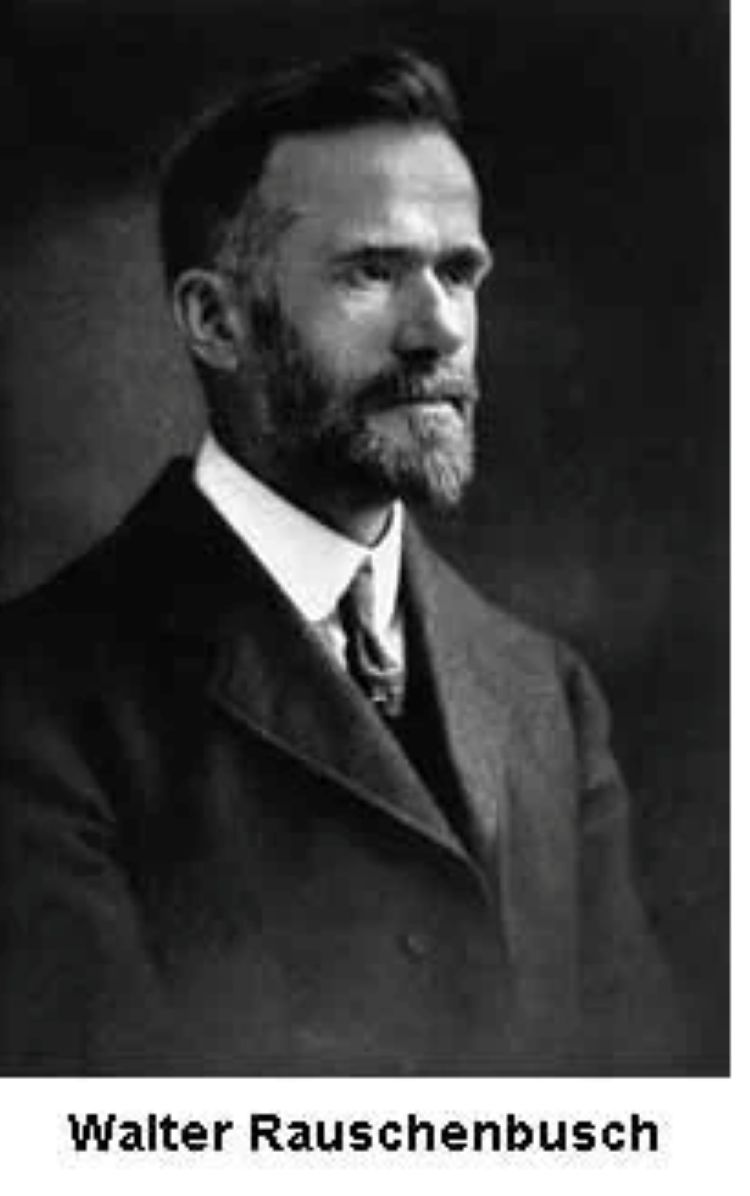
Full disclosure: I am a social gospel advocate. Think of me as a sort of popular guide to the nuances of the social gospel, an assistant docent into the complex works of Walter Rauschenbusch, Washington Gladden, John Howard Yoder, Charles Taylor, Stanely Hauerwas and others.
I am an unabashed and unapologetic advocate for the importance and originality of the Social Gospel. I think the works of social gospel scholars offer an insightful and incisive account of our calling as Christians.
I have chosen the Gospel according to Luke as our guide.
THE POLITICAL ASPECTS OF JESUS’S LIFE
There are loud and insistent voices declaring Jesus wasn’t political. These seismic vibrations coming from evangelicals seems hypocritical considering their abiding loyalty to our nation’s president. The strident Christian nationalism of Seven Mountains Dominionism is nothing but secular politics wrapped in religious garb.
The opponents of Jesus as political love to stand in pulpits and quote Jesus’ own words: responds, “My kingdom is not from this world. If my kingdom were from this world, my followers would be fighting to keep me from being handed over to the Jews. But as it is, my kingdom is not from here.”
Jesus is not denying his politics. He is claiming a politics unlike the politics of Rome. A kingdom with a king – you can’t get more political. Hauerwas says, “Jesus denied that his kingdom was just another form of Rome. Jesus’ kingdom is not like other kingdoms of this world, but rather his kingdom is one that is an alternative to the kingdoms of this world.”
Dr. Otis Moss, Jr., exegeting Jesus’ sermon at the synagogue in Nazareth (Luke 4) says, “At the top of the text is theology. And in between is economics, politics, and sociology. In between it’s all of the social public policy. And then at the bottom it’s theology. At the top—theology—and all the rest in between.”
Dr. Moss, in my mind, put it exactly right: “So, if you are preaching a gospel that has nothing about politics, nothing about economics, nothing about sociology, it’s empty gospel with a cap and some shoes and no body to it. It might be popular, but it’s not powerful. It might be expedient, but it’s not saving.
If the gospel isn’t social, I want to give my ticket to heaven back. Every gain our nation has made in human rights and dignity, every move we have made away from dehumanization of others is grounded in the social gospel.
Recent Articles/Essays











About the Author